

The article may be reproduced or republished with appropriate attribution
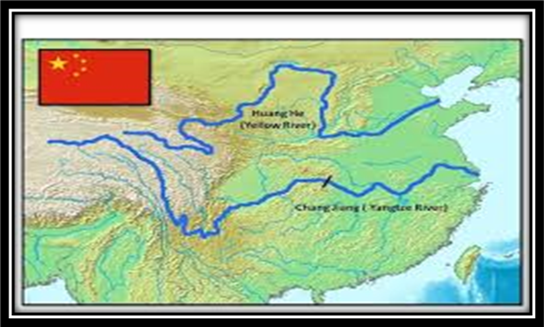
I remember learning in school about China’s two iconic rivers, the Yellow River and the Yangtze River. They both flow from west to east and have a source in the mountain ranges of Qinghai Province, on the Tibetan plateau. The (northern) Yellow River extends over 5,400 kilometers before emptying into the Bohai Sea, while the (southern) Yangtze River flows for 6,300 kilometers before entering the East China Sea.
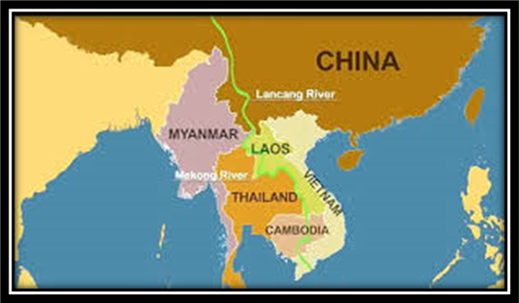
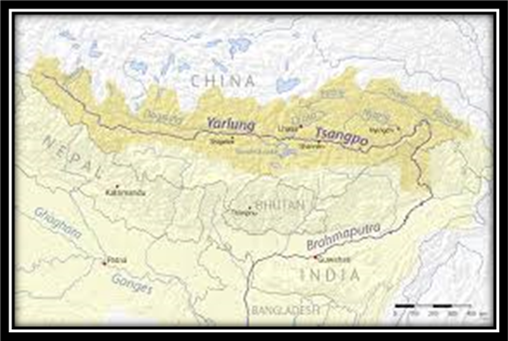
Later I learned about China’s two major, international, south-flowing rivers, which also each have a glacier-fed source within the Qinghai-Tibet Plateau. The Lancang River becomes the Mekong River (South-East Asia’s most famous river) before flowing into the South China Sea. The Yarlung Tsangpo River, the highest river in the world, eventually becomes the Brahmaputra River (one of India’s primary rivers) before emptying into the Bay of Bengal.
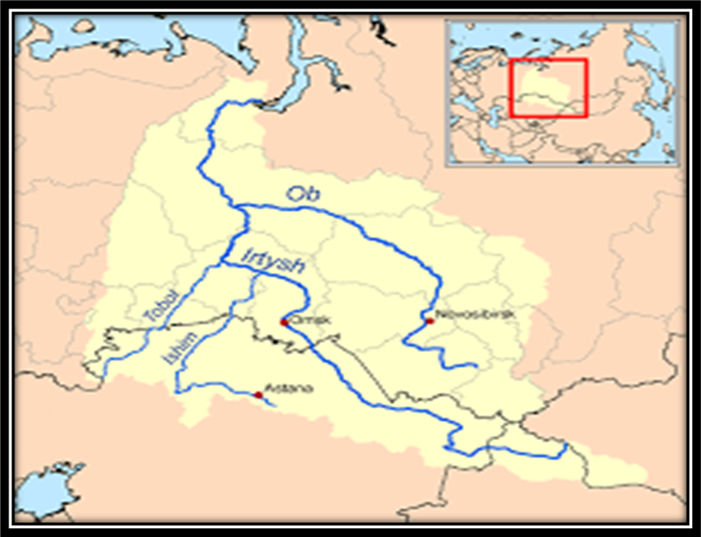
Much more recently, I learned about China’s major north-flowing river which eventually empties into the Arctic Ocean. This discovery is, at a fundamental level, a product of the exceptional amateur exploring skills of Mr Hou Zhili (see further below). I am equally indebted to the excellent CGTN (China Global Television Network) English documentary channel, which retold much of Mr Hou’s remarkable story.
Before we review that intrepid journey, it is useful to look at the unique geography underpinning this adventure.
North-West China is a home to or adjacent to a spectacular collection of the foremost mountain ranges on earth. The major mountain systems of central Asia which extend into or border China include: the Himalayas plus the Karakorum, Hindu Kush and Pamir Ranges.
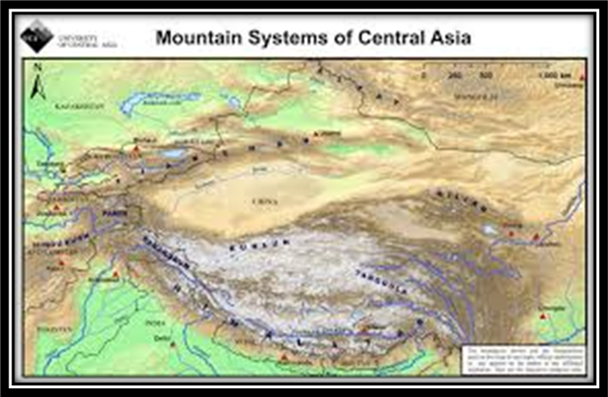
The Tianshan Mountains and the Kunlun Mountains stand, respectively, to the north and south of China’s immense Taklamakan Desert. Further north, also located within the extensive Xinjiang Uygur Autonomous Region, is another major elevated range. The Altai Mountains straddle the important border intersection of China, Mongolia, Russia and Kazakhstan.
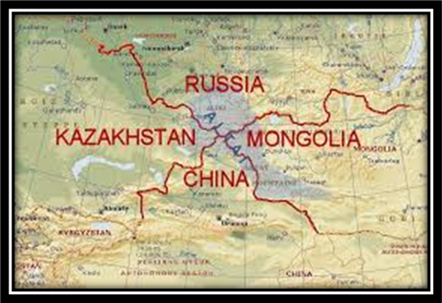
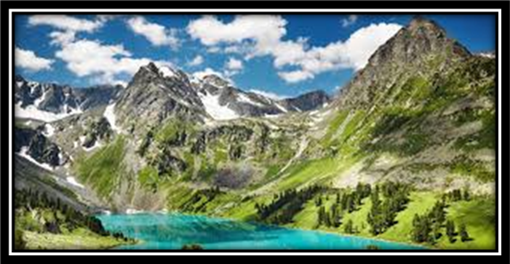
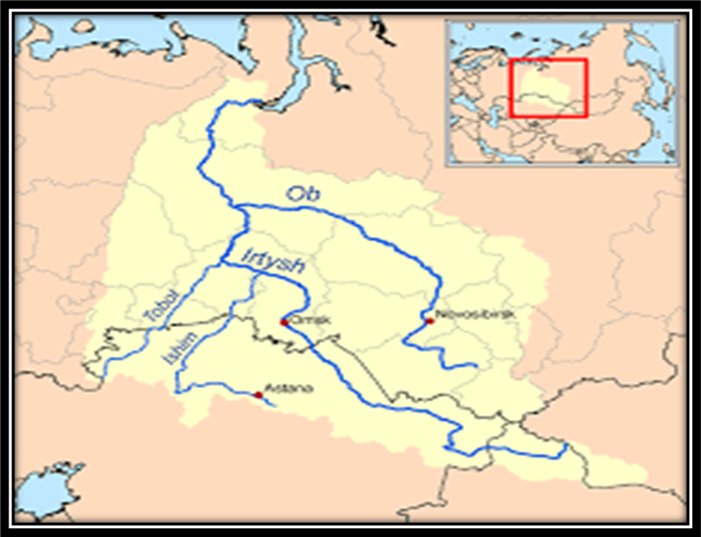
The Irtysh River (also known as the Ertix River) has its source in northern Xinjiang in the Altai Mountains. Mr Hou’s home, in Fuyun County, is close to the source. For many years he was fascinated by the river – and where it went. The Irtysh, after it flows southwards, out of the Altai Mountains, does something few major rivers in China do: it flows westwards. After around 500 kilometres it enters Kazakhstan.
Meanwhile, on the north side of the Altai Mountains, in Russia, we find the source of another major river, the Ob. The Ob is one of the three immense waterways that traverse the vast area of Siberia from south to north before reaching the Arctic Ocean. The other two rivers are the Yenisei and the Lena. The Ob crosses western Siberia, the Lena negotiates eastern Siberia and the Yenisei separates eastern from western Siberia.
The Irtysh has a total length of over 4,200-kilometers from its source in China until where it joins the Ob (on its left bank) near the Siberian city of Khanty-Mansiysk. It is the longest tributary river in the world.
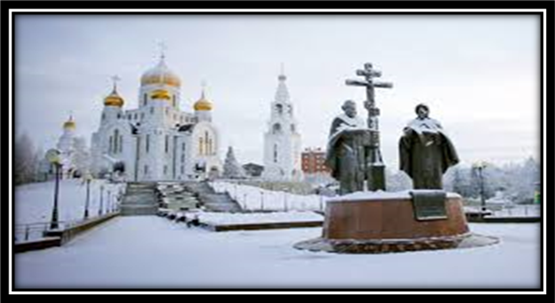
Khanty-Mansiysk
The Ob River eventually empties into the Gulf of Ob, which connects directly to the Arctic Ocean. This 800 kilometer, narrow gulf is the world longest estuary. The total length of the combined Irtysh-Ob river-system from the source of the Irtysh to the mouth of the Ob is around 5,400 kilometers. After the Yangtze, it ties with the Yellow River as the second longest river system in Asia.
This entire system thus provides direct river access to the Arctic Ocean from China. However, due to the extreme Siberian climate, the Ob is only fully navigable between May and October. This means that any sort of self-powered, continuous journey from source to mouth is inconceivable.
According to a 2018 Xinhua-Net report, Mr Hou first enjoyed journeying with friends, as child, on the Irtysh River, in China, aboard self-made rafts. These experiences ultimately inspired him to conceive of a remarkable venture: kayaking from near his hometown in China to the Arctic mouth of this spectacularly long, north flowing river system (see: https://www.xinhuanet.com/english/2018-11/23/c_137627200.htm).
The China Daily reported, in 2017, how Mr. Hou, now in his forties, closed his graphic design business in 2012 and applied his exceptional determination, courage, skills and savings to implement this never-before attempted project. He knew, due to that Siberian climatic reality, that he would have to complete this journey in stages (see: https://www.chinadaily.com.cn/cndy/2017-11/13/content_34463483.htm).
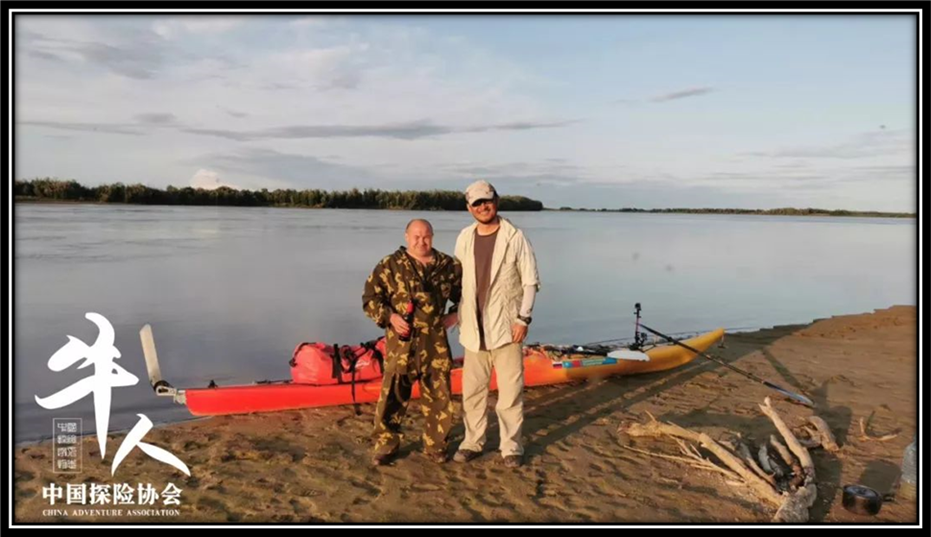
In 2014, he paddled 50 kilometers per day to cover the 520-kilometer distance from near the source of the Irtysh to the China-Kazakhstan border. In 2016, Kazakhstan relaxed its visa rules for Chinese visitors and in August of that year, Mr. Hou began the second stage of his epic journey, where he kayaked another 1,500 kilometers, before winter closed in.
In September 2018, Hou completed the third leg of his journey, after rowing for 54 days as he crossed Western Siberia, enduring intense cold, rain and high winds. During this stage, he covered more than 2,000 kilometers and reached the confluence of the Irtysh and Ob Rivers near the far-north, Russian city of Khanty-Mansiysk.
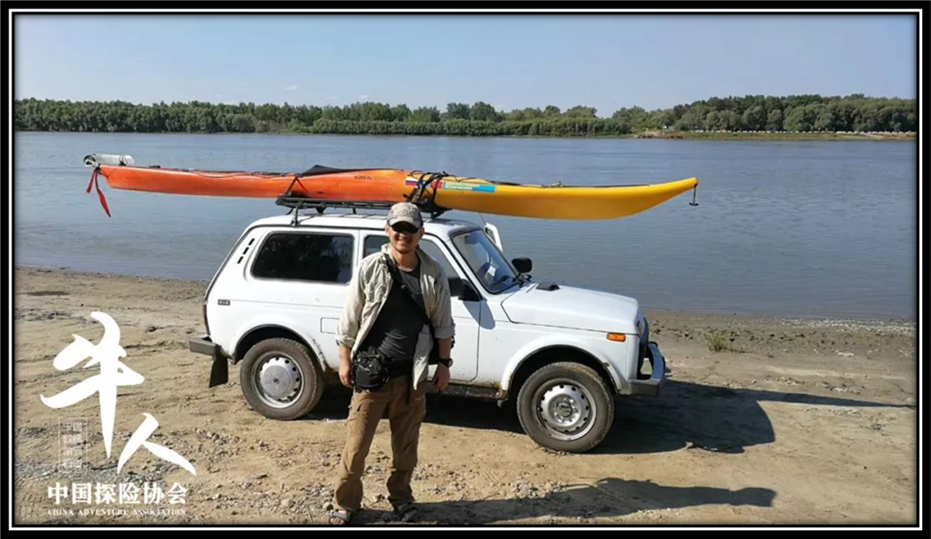
The China Adventure Association confirmed, in 2020, that Mr. Hou completed his extraordinary, marathon journey, successfully reaching the Arctic Circle in the summer of 2019 (see: https://caa1993.org.cn/content/20/831.shtml).
The four stages of this solo trip were, thus, spread over five years. Mr. Hou spent almost 120 days rowing and drifting as he covered the entire length of this extraordinary river system.
He faced and dealt with recurring emergencies, extreme weather conditions - including intense cold - and regular loneliness. He also encountered, as he travelled: exceptional friendship, conspicuous hospitality, outstanding help when badly needed, and a 2 am visit from a curious wild animal.
This is the first time that any solo-person has completed this exacting journey. There were no indicative “earlier footsteps” to follow. Mr Hou has certainly, as the China Adventure Association says, “created a new chapter in rafting history.”
Hou Zhili said he first became fascinated by long-distance rafting after watching a television program in 1986, when still a young boy. The deepest impact of this trip arose, he said, from experiencing: the exceptional warmth of strangers, the extraordinary changing landscape, and a penetrating sense of personal growth. He added that the joy he felt as he overcame extreme challenges: “Is not something to show off to others, but rather something that you are showing to your younger self.”
When this exemplary amateur explorer first crossed into East Kazakhstan from China, a local reporter asked Hou Zhili why had he come. “To meet you,” he replied, “to meet kind people like you.” In the course of completing this epic journey, Mr Hou clearly also proved himself to be an uncommonly effective, informal envoy for China.